Post-Contact Settlement
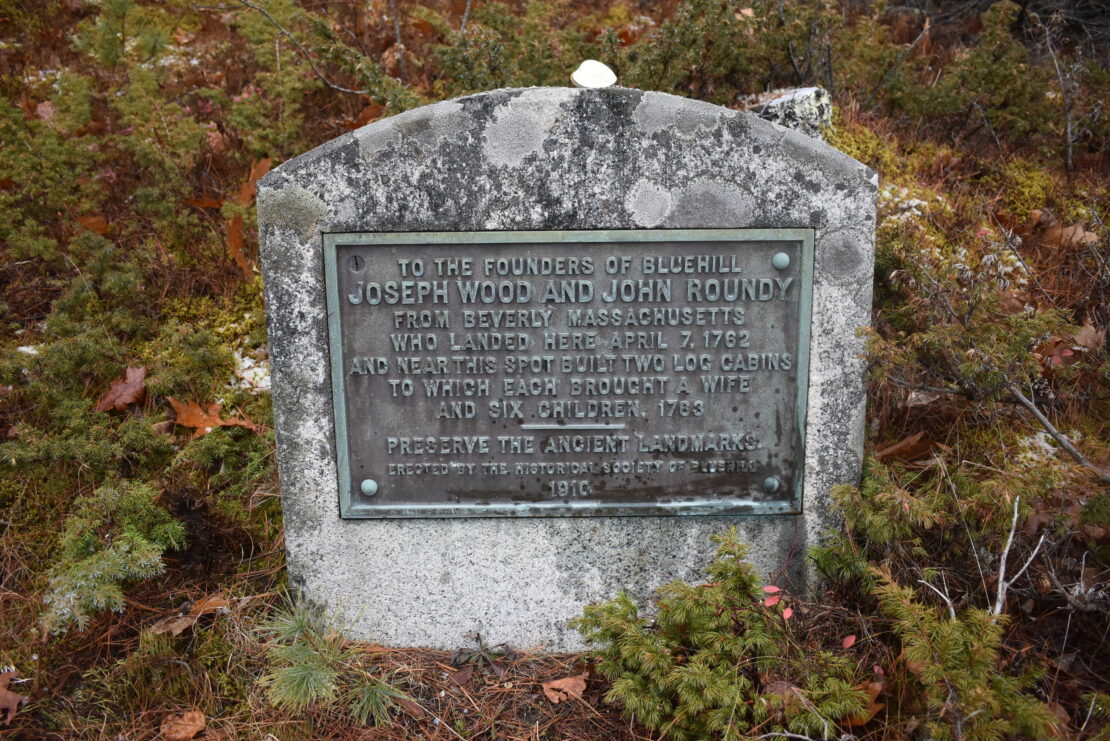
John Roundy and Joseph Wood, the first European settlers to establish themselves in Blue Hill, arrived on April 7, 1762 sailing from Beverly, Massachusetts in an open shallop. Perhaps they had heard rumors of an exceptional water power somewhere east of the Penobscot River. Local legend has it that they sailed up Blue Hill Bay and landed at the southern tip of Long Island and waited there for the ice to go out. Then, perhaps, they sailed over to the mouth of the Salt Pond and anchored there and watched the tide rush in and out. At any rate, they landed at what came to be known as Mill Island and built two log cabins there that summer. They returned to Beverly for the winter and came back with their wives and families in the spring of 1763. They established a working homestead on that 24 acre island and by 1765 had a dam and a tide-powered sawmill up and running. A grist mill followed in 1768, for grinding corn and wheat into flour. That area of town became known as the Tide Mill District. In 1869, a century later, the reversing falls were described by the state hydrologist as “a tidewater power probably unsurpassed in the state of Maine.”
Later Settlers
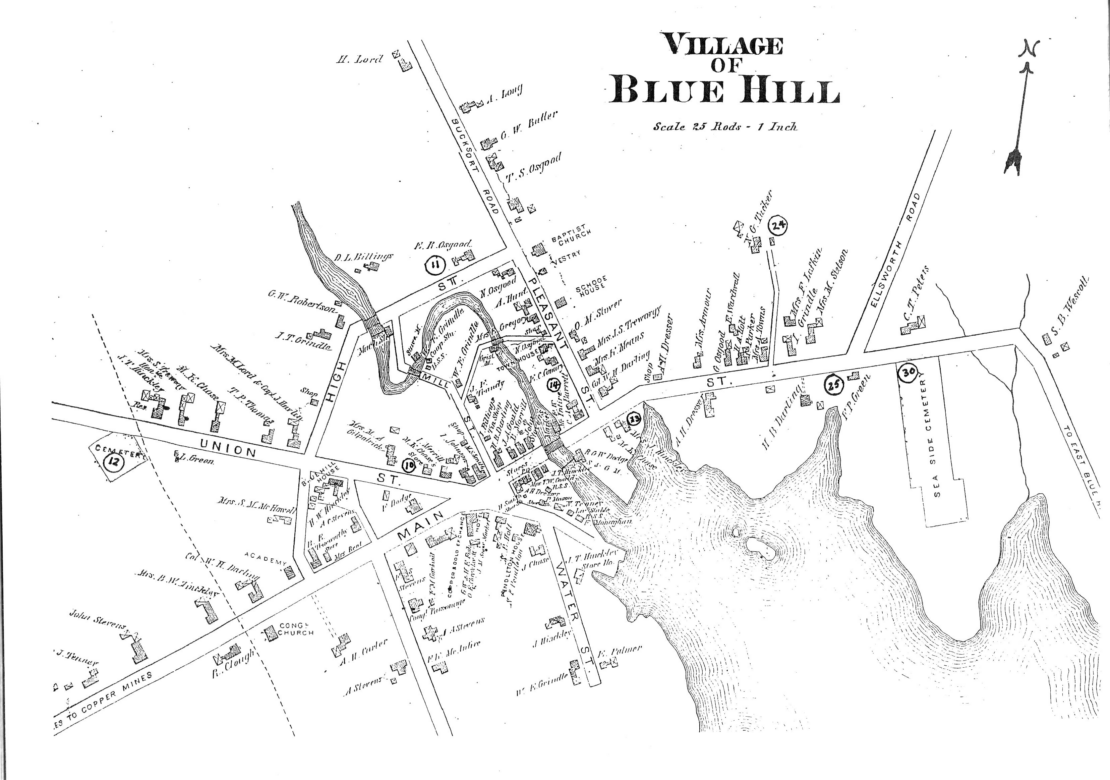
In the first decade, the town grew in leaps and bounds. More settlers arrived from Beverly and Andover and settled near the Salt Pond and at the head of the bay. Some of the names of the early settlers were: Osgood, Parker, Darling, Peters, Holt, Candage, Hinckley, Horton, Dodge, Carleton and Fisher. Many of them are buried in the Old Settlers Cemetery on Union St.
First Settled Minister
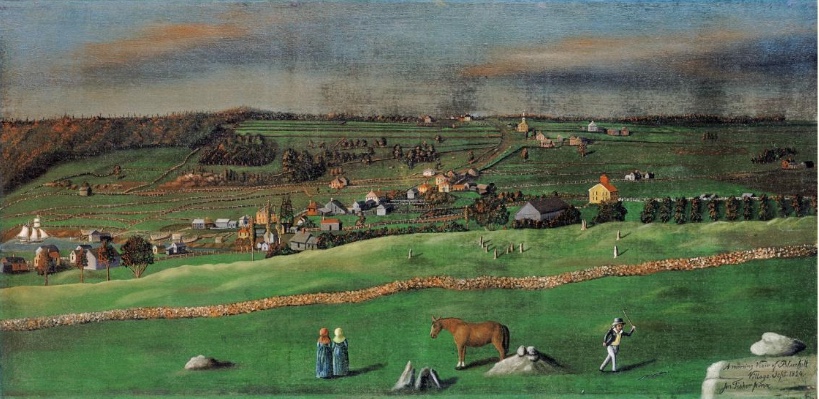
The terms of settlement spelled out by the Massachusetts General Court specified that a six mile by six mile town would be laid out and that sixty families would be settled within six years and that they “build a suitable meeting house for the public worship of God, and settle a learned Protestant minister.” At that time, the town was the parish and the parish was the town. Blue Hill had no trouble meeting the requirement of sixty families and they built a meeting house, but for twenty-six years they had no minister. Finally, in 1794, they were able to attract a graduate of Harvard Divinity School named Jonathan Fisher. Fisher was offered a house lot and 300 acres of woodland, a barn that measured forty by fifty, and $200 a year. He accepted those terms and for forty-seven years led the community from the pulpit of the Congregational Church.
Ship Building
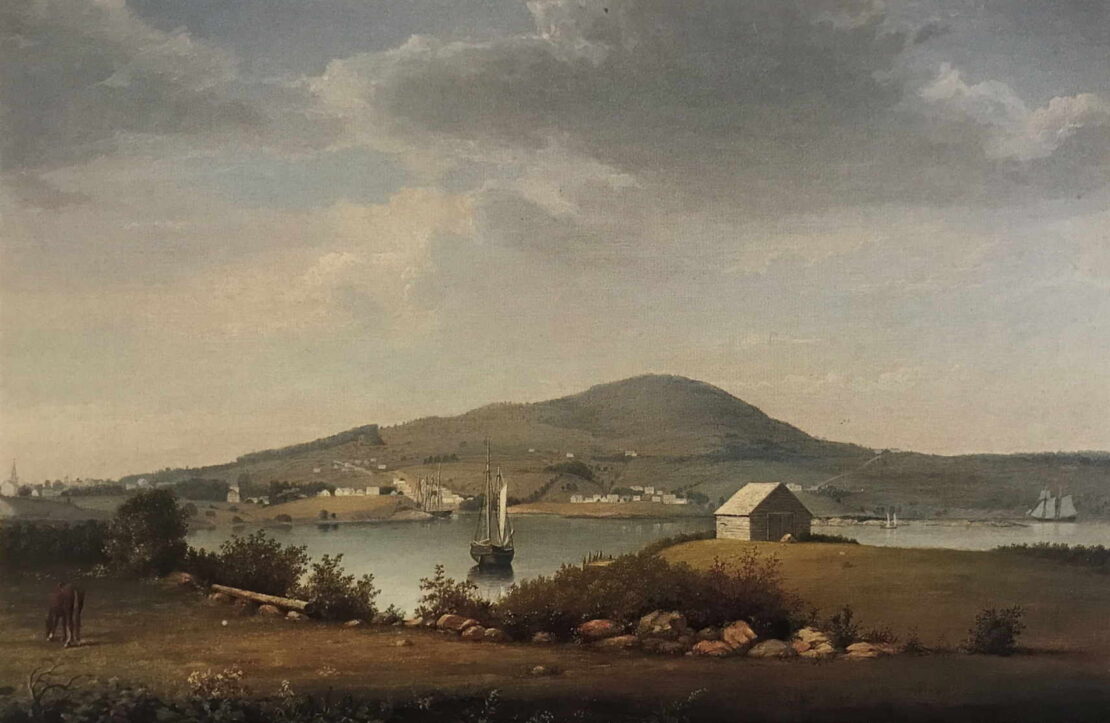
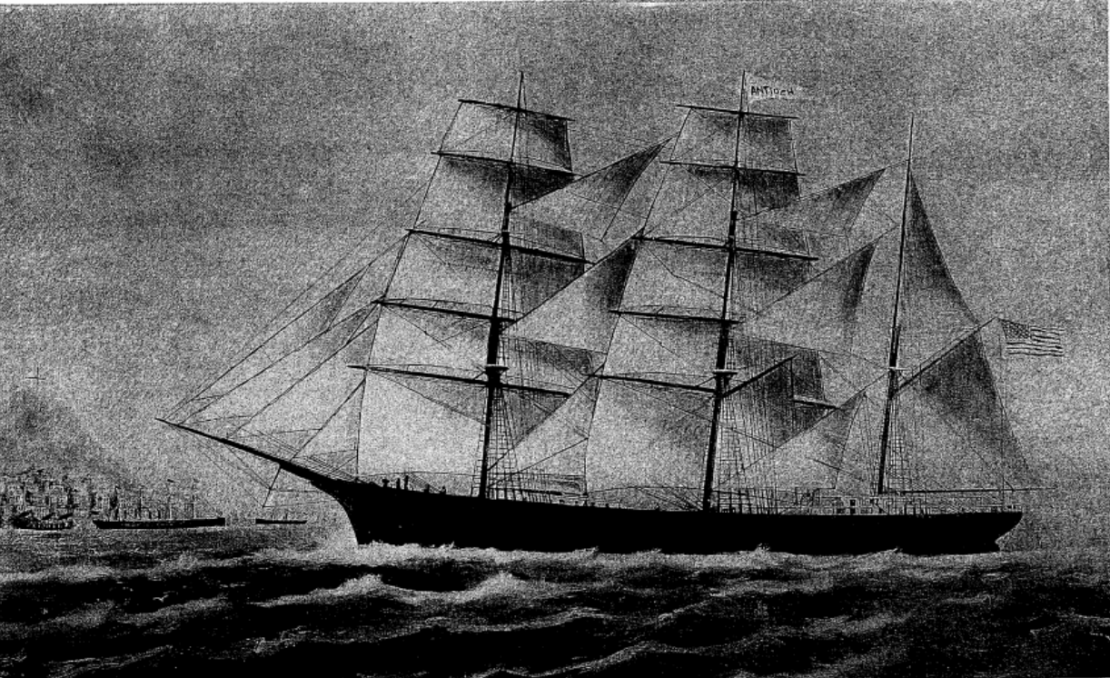
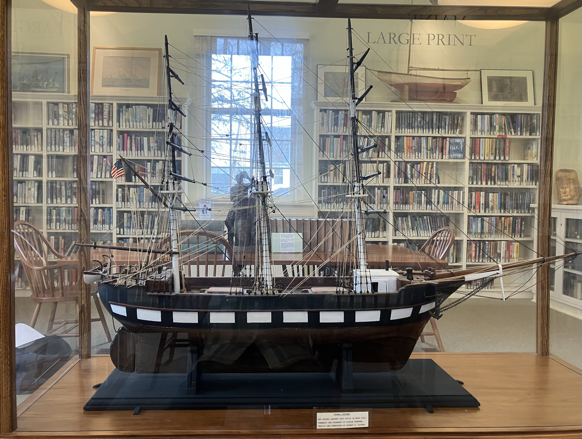
In the early part of the nineteenth century four dams were built on the Mill Stream, powering a sawmill, a cooperage, a grist mill, and other industries. The surrounding forest was cut down and the logs were fed into the sawmills producing lumber for houses and ships. Blue Hill took its place in the heritage of American sailcraft with three shipyards in the inner harbor, two in the Tide Mill District, one in East Blue Hill and one on Peters Brook. Blue Hill captains sailed all over the world and brought back goods from China, Australia, South America, and the West Indies. These goods found their way into Blue Hill homes and may be still seen here and there. Blue Hill mariners brought back knowledge of faraway places and foreign ways and the town developed a worldliness that carries through to the present.
Quarries
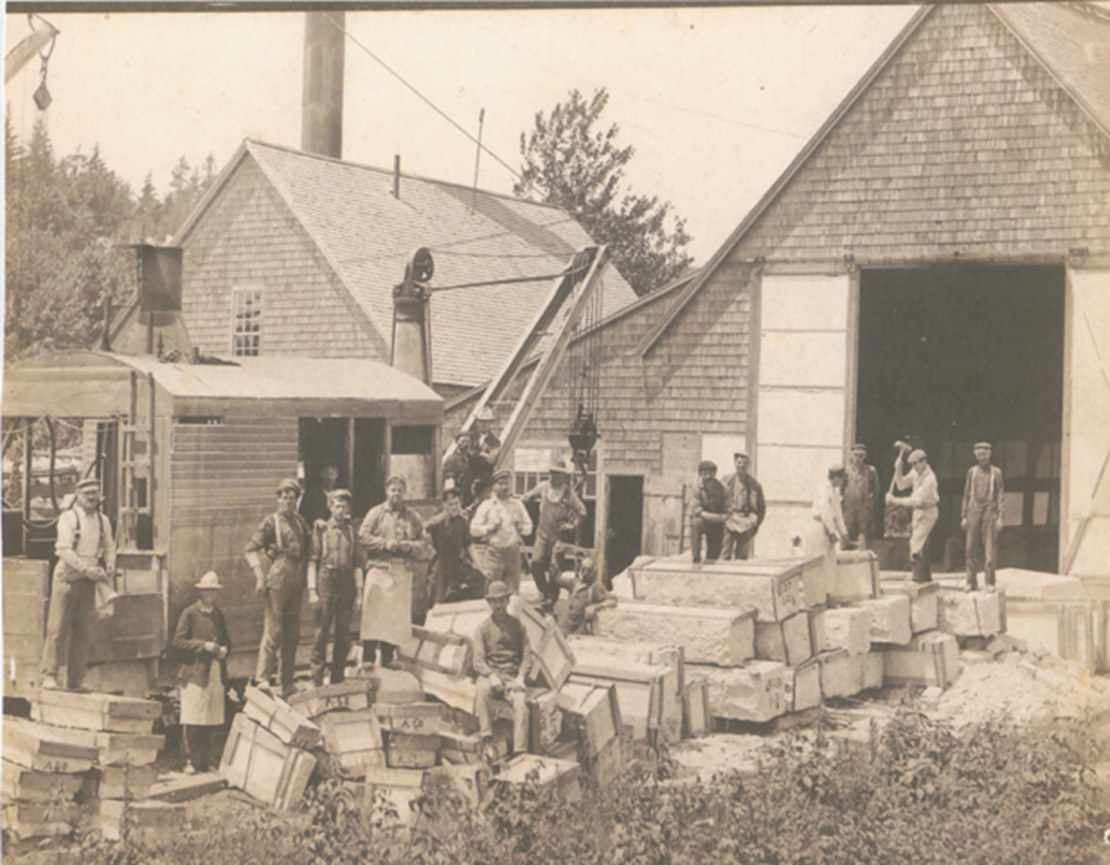
In the mid-eighteen hundreds steam power put an end to the age of sail and the town turned its focus away from the high seas and toward the granite bedrock. Quarrying became an important local industry. Jedediah Darling and his three sons provided the granite for the Congregational churches in Blue Hill and Ellsworth. They got out and roughly rounded eight columns for the Dutch Reform Church in New York that each measured twenty-eight feet long and four feet in diameter. Blue Hill granite was shipped all up and down the East coast and as far away as New Orleans. Granite quarries extended along the shore in East Blue Hill.
The Mining Boom
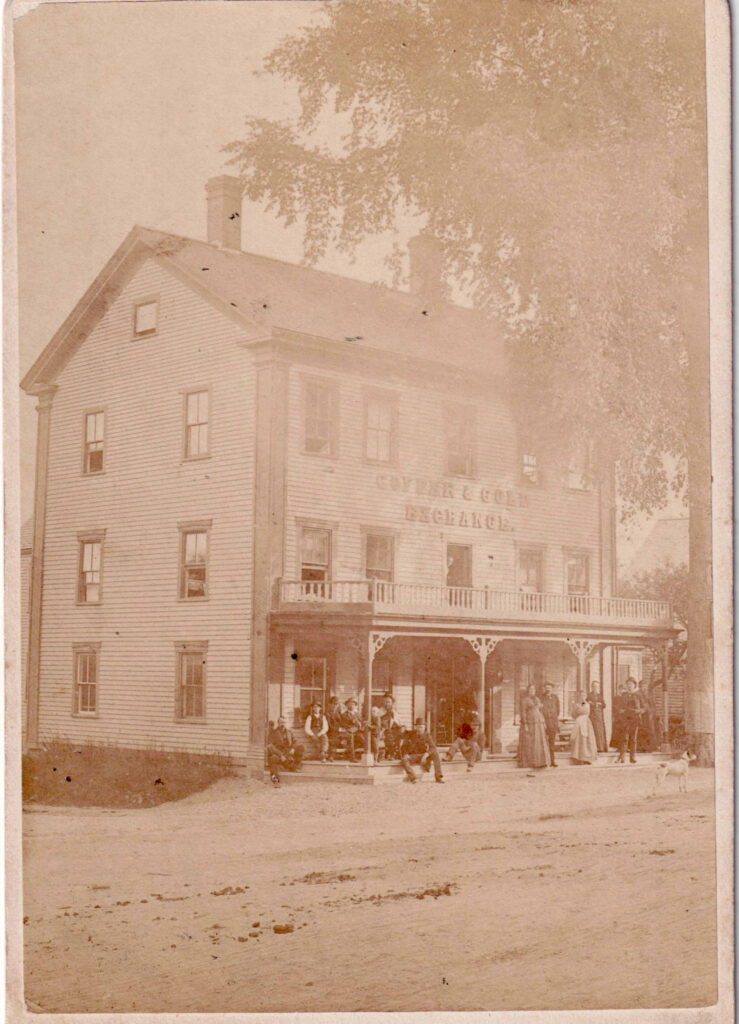
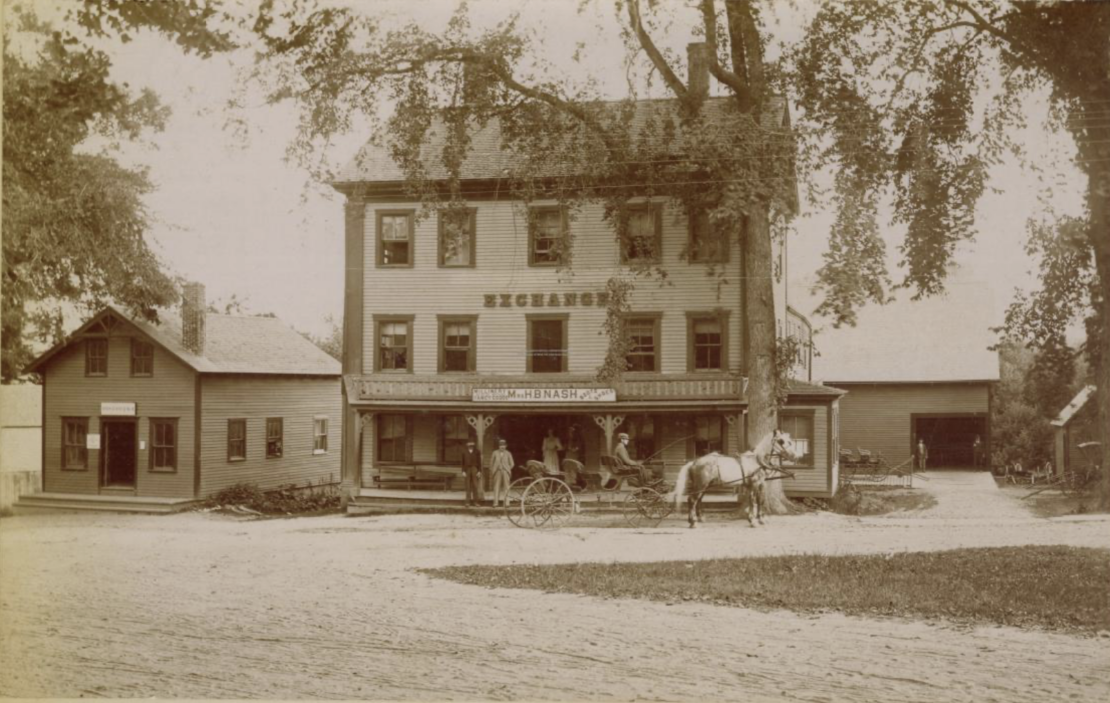
In 1879 William Stewart, a mining authority, came to Blue Hill and enthused about the quality of the copper ore he found here and the nearness of the harbor for shipping. His promotion started a mining craze. Thirty-nine mining companies established themselves in Blue Hill over a five year period. Speculators descended on the town. A boarding house called “The Copper and Gold Exchange” was built downtown and quickly filled with workmen. Test pits were dug all over town. Land prices skyrocketed. But the boom fizzled after five short years. The returns never quite lived up to expectations. By 1884 almost all of the companies had given up and left town. Many of the miners moved over to the granite industry.
Rusticators
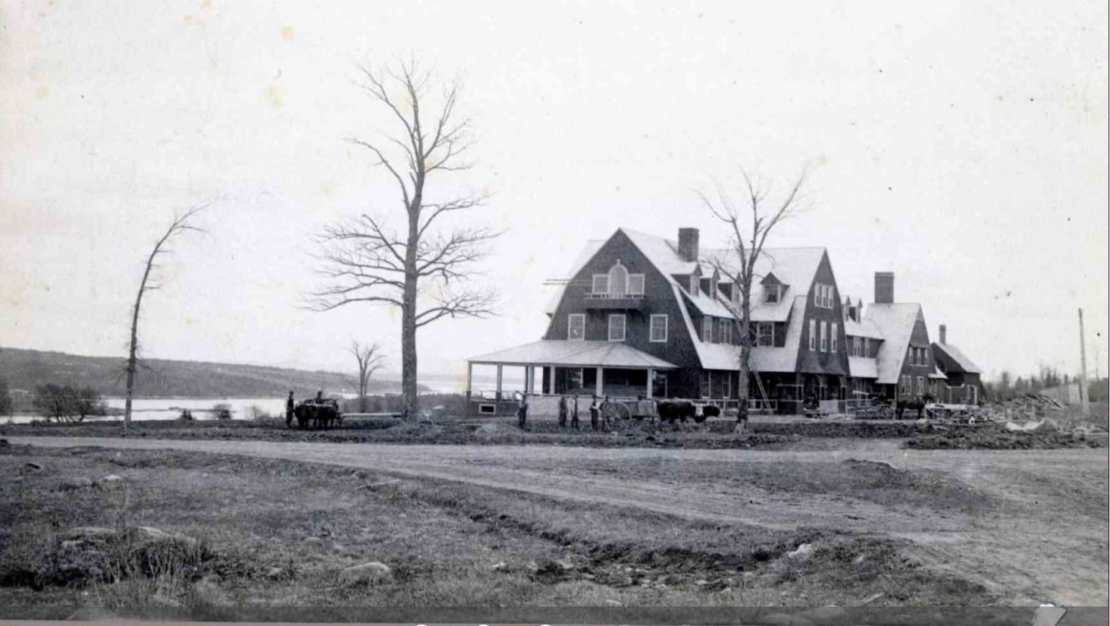
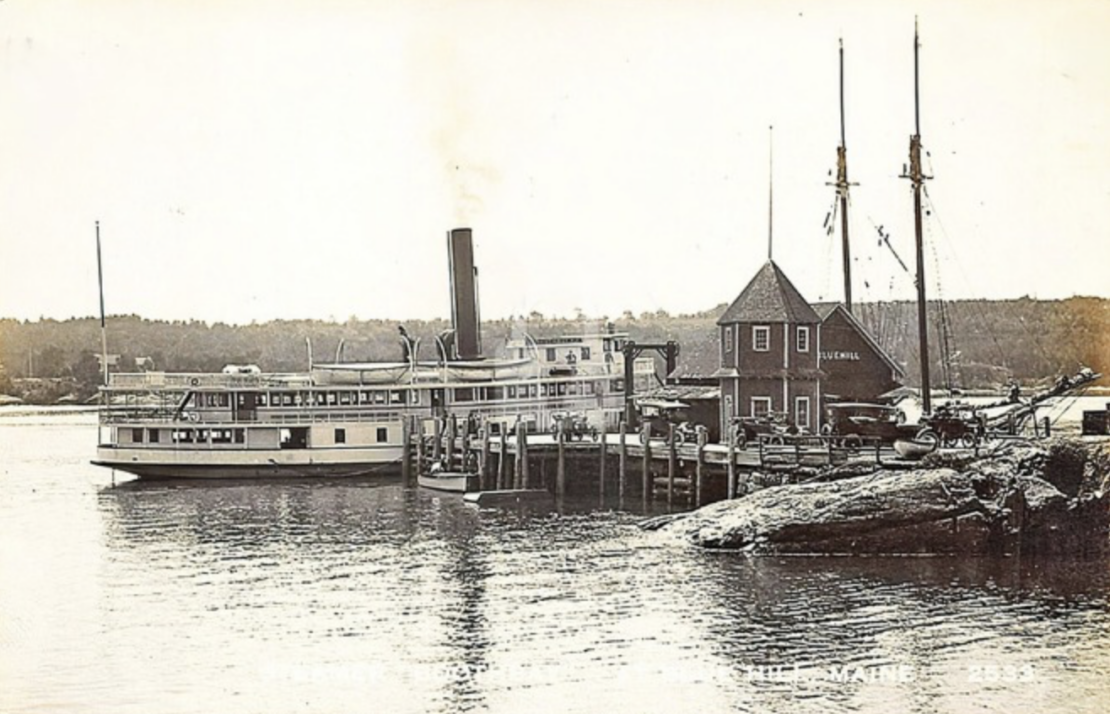
As the twentieth century neared, Blue Hill was discovered by a wealthier cultured class of summer visitors who were looking to get away from the hustle and bustle of the city to a simpler, more rustic lifestyle. A boarding house called “The Homestead” was erected by Isaac Parker to cater to this crowd and Parker Point became the scene of croquet matches and fashionable clothing. Many of the rusticators bought land on Parker Point and had summer cottages built. In 1896 George Stover opened the Blue Hill Inn on South St. The Inn offered electric lights, long distance telephone, telegraphic office, saddle horses and smart livery as well as a scenic view of the harbor. Mr. Stover hosted public performances by a small orchestra on Saturday evenings and there the rusticators and the town residents intermingled. To accommodate the new demand, steamboat service to Blue Hill was started with landings in the inner harbor and on Parker Point. As the granite business wound down and the tourist trade increased, George Trask came to East Blue Hill and was so impressed that he telegraphed his friend Dr. Seth Milliken who was on his honeymoon in Cape May, New Jersey. “Have found paradise. Come quickly.” Dr. Milliken read the telegram and turned to his bride and said, “Honey, we’re going to East Blue Hill, wherever the hell that is.” The rusticators brought new opportunities to the area and expanded cultural and recreational activities that still make Blue Hill a special place to visit.
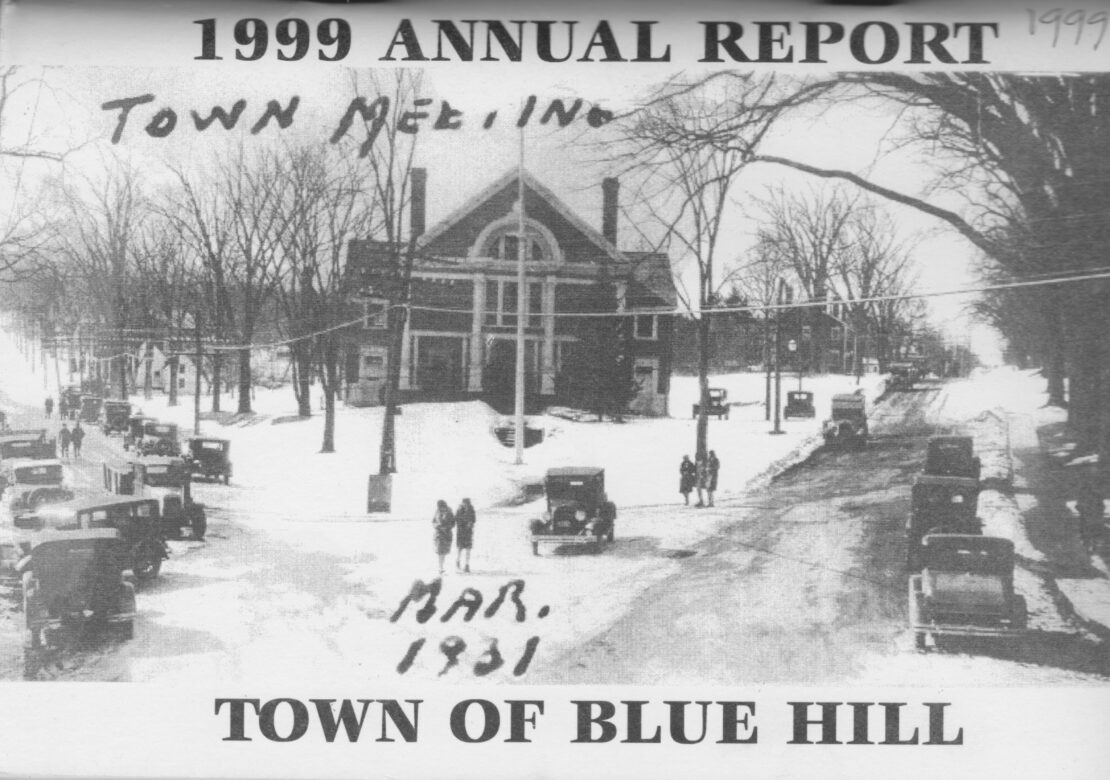
Provided by Phil Norris, 2025
Photographs courtesy of ______